









Migrating to Shopify Plus: What We Learned from Magento, Salesforce Commerce Cloud, and Custom Platforms
After dozens of platform migrations spanning Magento, Salesforce Commerce Cloud, and custom-built systems, here is what actually matters for a successful move to Shopify Plus.
We have moved merchants off Magento, Salesforce Commerce Cloud, WooCommerce, Shopware, and fully custom platforms. Some needed a clean break. Some needed a surgical lift. Some needed three markets live in eight weeks. Here is what separates migrations that succeed from migrations that have to be redone.
Most merchants we work with have already decided to move. What holds them back is fear: fear of SEO loss, fear of downtime, fear of the unknowns that only surface mid-migration. These fears are not irrational; bad migrations happen. But they happen because of poor planning, not because the destination is wrong.
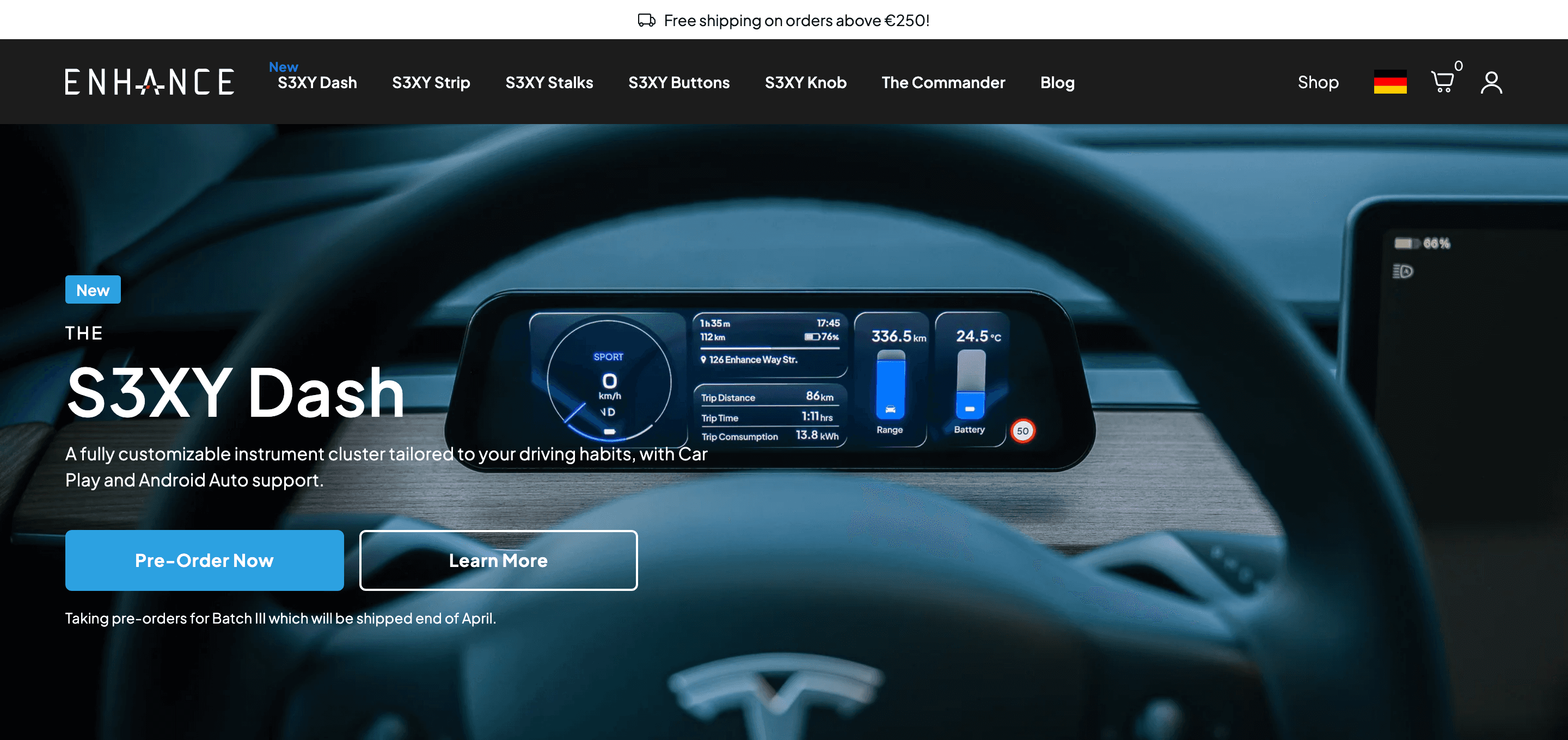
ENHauto after migrating to Shopify Plus, validated via post-launch A/B testing.
The Three Migration Archetypes
After dozens of platform migrations, we have identified three patterns:
The Clean Break. The merchant wants a fresh start: new design, new information architecture, new integrations. This is the most common pattern for brands outgrowing their first platform. Timeline: 10–16 weeks.
The Surgical Lift. The merchant loves their storefront but needs a better engine. We replicate the existing UX on Shopify and swap out the backend. Typical for Magento-to-Shopify moves. Timeline: 8–12 weeks.
The Phased Rollout. The merchant operates in multiple markets and cannot afford to migrate everything at once. We migrate one market, validate, then roll out. This is how we launched vivo across three European markets in eight weeks.
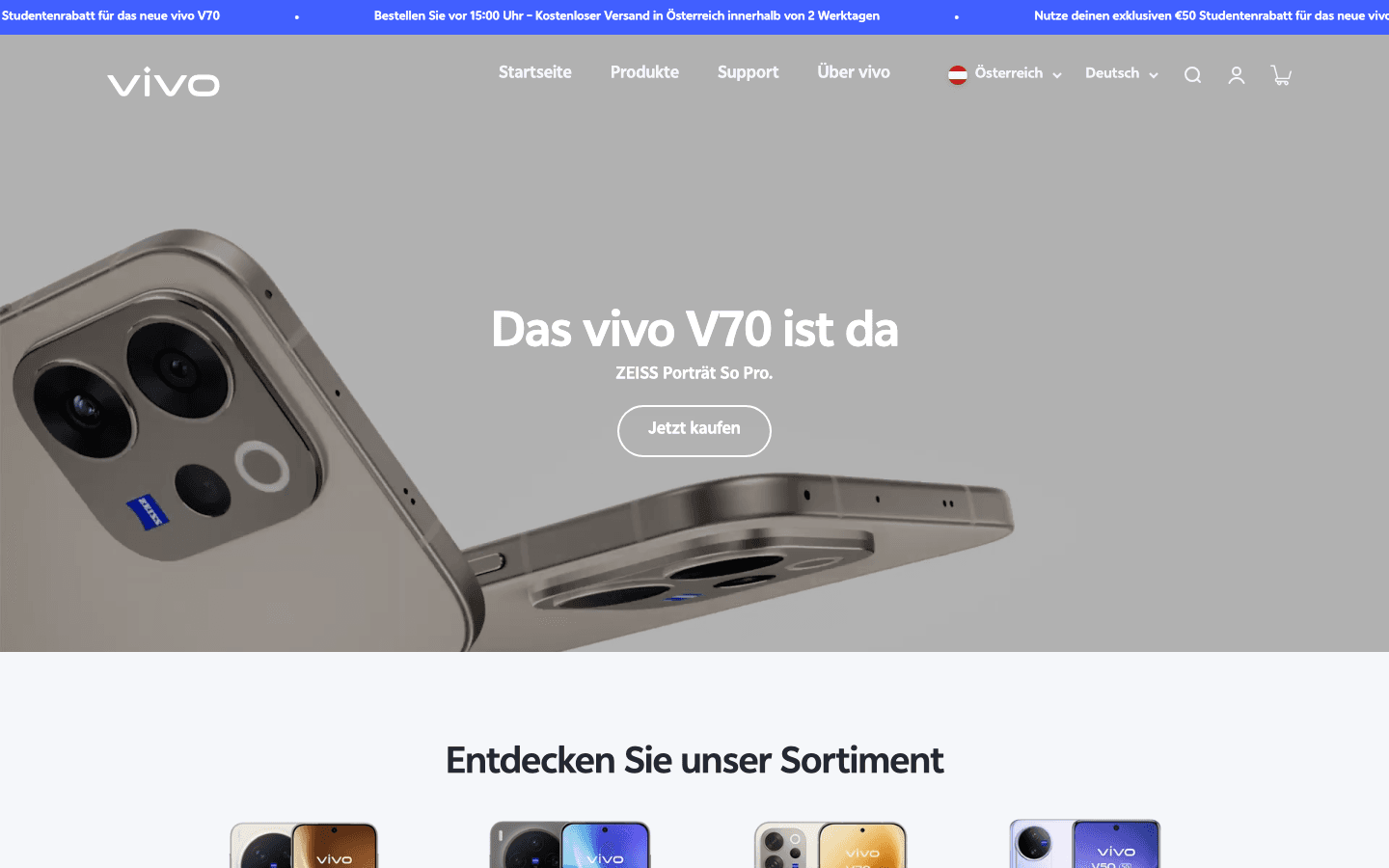
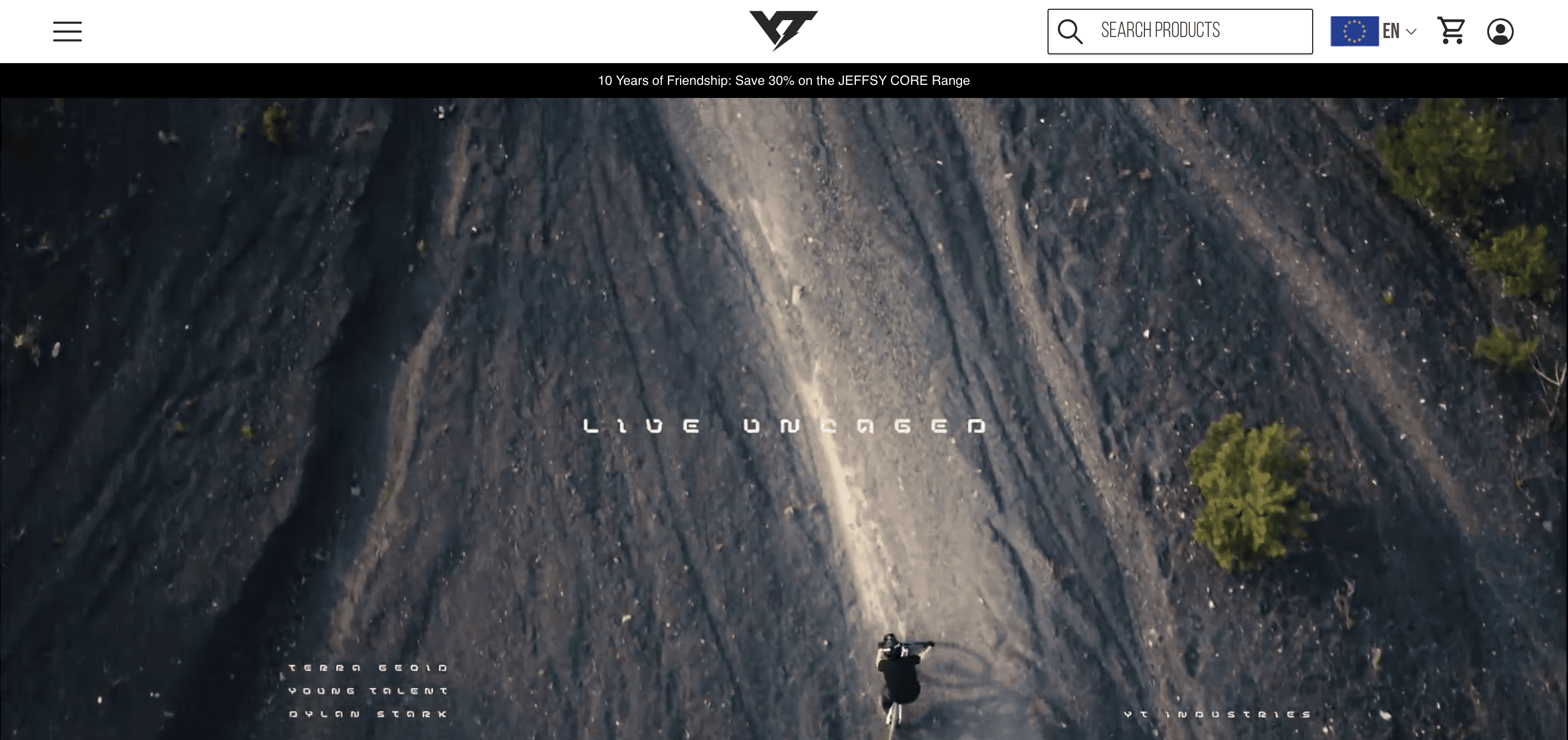
3 European markets live in 8 weeks — vivo's first official DTC storefronts
3 markets in 8 weeksSEO: The Migration Risk Everyone Worries About
The number-one concern in every migration conversation is SEO. And the fear is justified: a botched redirect map can wipe out years of organic traffic overnight.
+21% conversion rate after migrating to Shopify Plus with the first-ever SmartERP integration
+21% conversion rateERP and Integration Complexity
Platform migration is rarely just a platform migration. The real complexity lives in the integration layer: ERPs, 3PLs, payment providers, loyalty systems, and marketing tools that all need to reconnect to the new backend.
We treat integrations as first-class migration workstreams, not afterthoughts.

For ON.AE, we built a Gadget-powered middleware layer that bridges MuleSoft to Shopify Plus, syncing inventory, orders, and fulfilment in real time, live in 11 weeks. For ENHauto, we co-developed the first-ever SmartERP integration on Shopify.
Shopify Plus store for On in the UAE — launched in 11 weeks with full ERP integration
Live in 11 weeks“Budget more time for integrations than you think you need. The storefront is the visible part; the integration layer is what makes or breaks the operation.”
Data Migration: What to Move, What to Leave Behind
Not everything deserves to be migrated. We always have the "what to leave behind" conversation early:
We prepare the new store in parallel and plan a final delta migration for data added after the initial import. Before cutover, agree how writes to the old system are stopped or reconciled, whether checkout needs a temporary pause, and how the switch will be verified. The required maintenance window depends on the systems involved.
Timeline, Cost, and What Comes After
Honest timelines for Shopify Plus migrations:
Simple (single market, minimal integrations, standard theme): 6–8 weeks, from €30k.
Medium (multi-market or ERP integration, custom theme): 10–14 weeks, from €60k.
Complex (multiple markets, complex ERP, custom apps, product configurators): 14–20 weeks, from €100k.
These include UX research, design, development, QA, data migration, redirect mapping, and two weeks post-launch support. They do not include ongoing optimisation, which most clients continue with us.
90% of our clients stay for 2+ years. Pepper is five years in and 120 projects deep. The most expensive migration is the one you do twice. Invest in the planning phase, and the work keeps compounding.

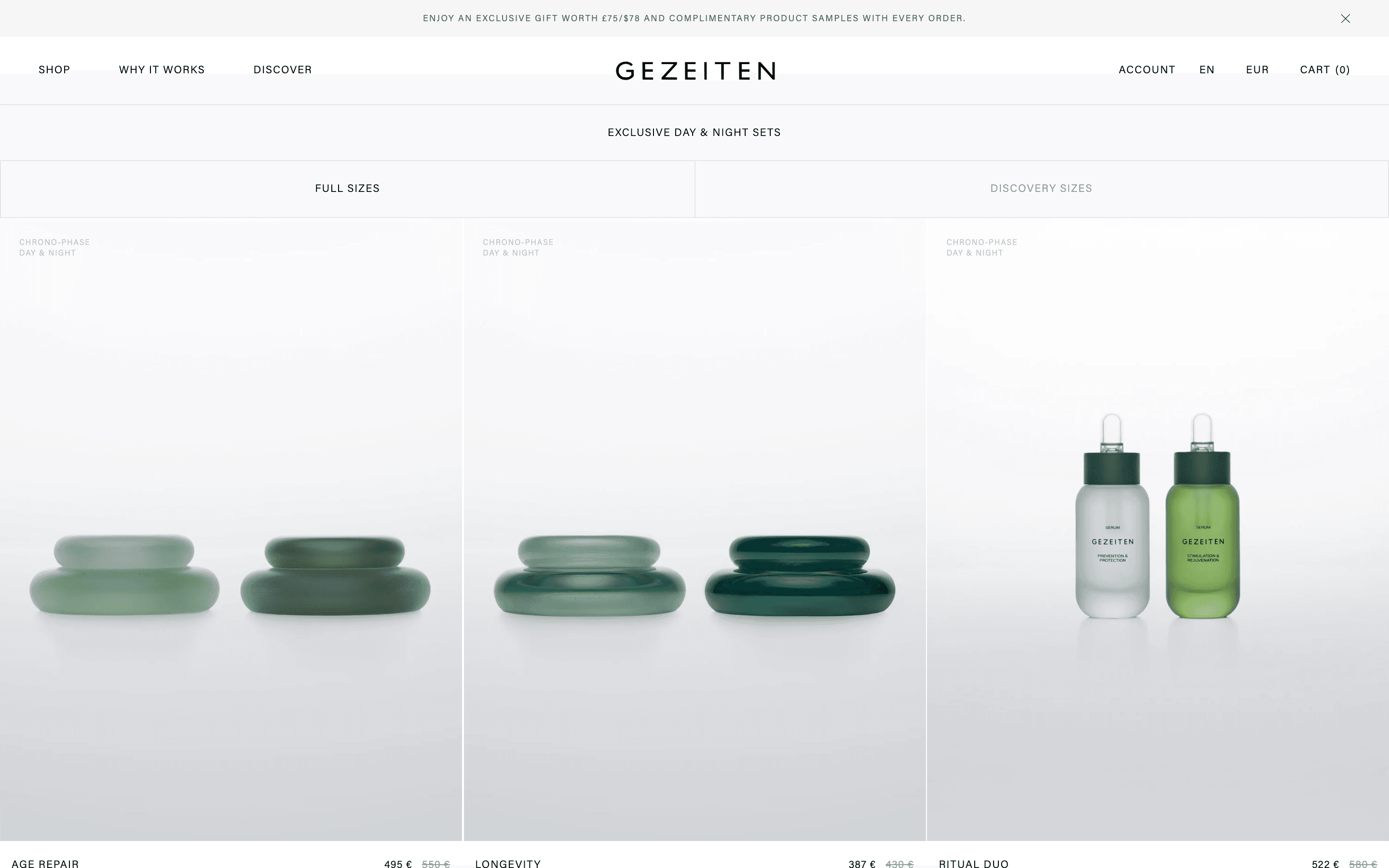
30% higher conversion, 60% dev costs saved — 5+ years scaling Pepper on Shopify Plus
30% higher conversionPlan your migration to Shopify
Which data, redirects and integrations belong in your move? See how we help define the scope and prepare the switch.
Related Case Studies
Ready to plan your migration?
Tell us about your project. We will come back with a plan, a timeline, and an estimate.
Get in Touch