












Shopify Performance: How We Cut Load Times by 26% on Gezeiten
Improve Shopify loading, responsiveness and visual stability through measurement, responsive images and app-script reviews.
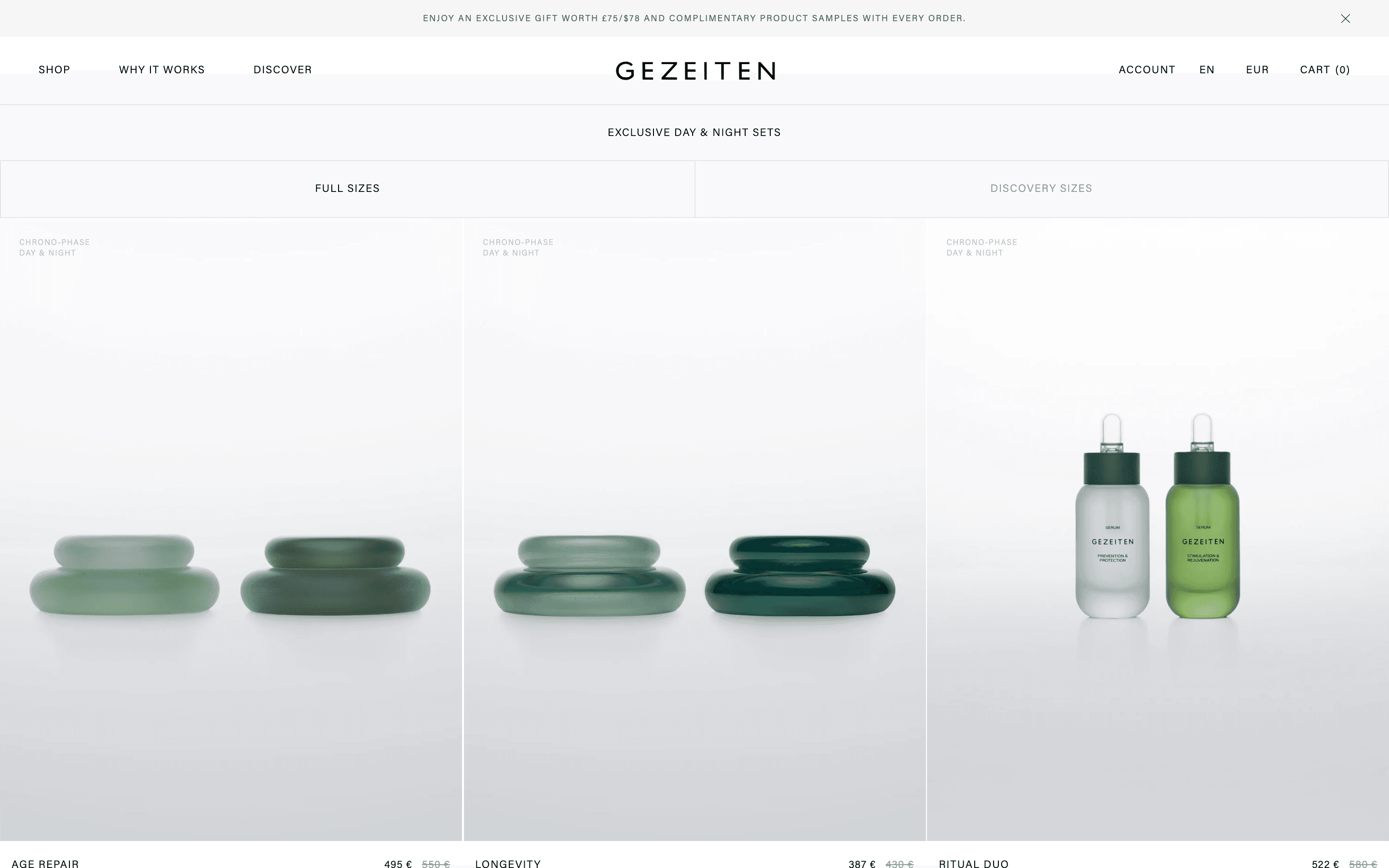
We rebuilt the Gezeiten storefront with performance as a first-class design constraint. Not as an afterthought, not as a post-launch audit, but as a structural requirement from the first wireframe. The result: 26% faster loads and 11% lower bounce rate. Here is the exact approach we used, and the framework we apply to every performance engagement.
Gezeiten — 11% lower bounce rate. Measure performance and business outcomes separately to assess the effect of changes.
26% faster loads, 11% lower bounce rate — a storefront worthy of the skincare
26% faster loadsMeasuring What Matters: Core Web Vitals
Google evaluates Core Web Vitals at the 75th percentile, separately for mobile and desktop. Good thresholds:
Largest Contentful Paint (LCP), loading: ≤2.5 seconds.
Cumulative Layout Shift (CLS), visual stability: ≤0.1.
Interaction to Next Paint (INP), responsiveness: ≤200ms.
We report all three metrics from field data, not just lab scores. A perfect Lighthouse score means nothing if real users on mobile connections are still waiting three seconds for the page to load.
The Shopify Performance Stack
Inspect three parts of the storefront:
1. Theme. Review Liquid rendering, DOM size, images and blocking stylesheets against the measured bottlenecks.
2. Apps. Apps that add storefront scripts can increase download and execution work. Check which resources each app loads, where they load and their measured impact.
3. Delivery. Review image formats, caching and connections to external services in the request waterfall.
Our Audit Process
Every performance engagement starts with a structured audit:
Lab testing. Lighthouse, WebPageTest, and Chrome DevTools Performance profiles on the five most-visited page types: homepage, collection, product, cart, checkout. We test on 4G and 3G.
Field data analysis. Lab tests do not reflect real users. We pull CrUX data and Shopify’s own analytics to see what actual visitors experience across devices and geographies.
Waterfall analysis. Every resource, every dependency chain, every blocking script, all mapped to reveal the critical rendering path.
Third-party audit. We inventory every script, measure its size and execution time, and classify it: essential, optimisable, or removable. This step alone often yields the biggest single improvement.
The Fixes That Matter Most
After auditing dozens of Shopify stores, these are the highest-impact fixes:
App script consolidation. Load app code where it is needed, defer nonessential work and review unnecessary dependencies. Measure download size and execution time before and after each change.
Critical CSS. Test loading essential styles first and deferring noncritical styles. Check both rendering speed and visual consistency before release.
The Gezeiten Case: What We Did
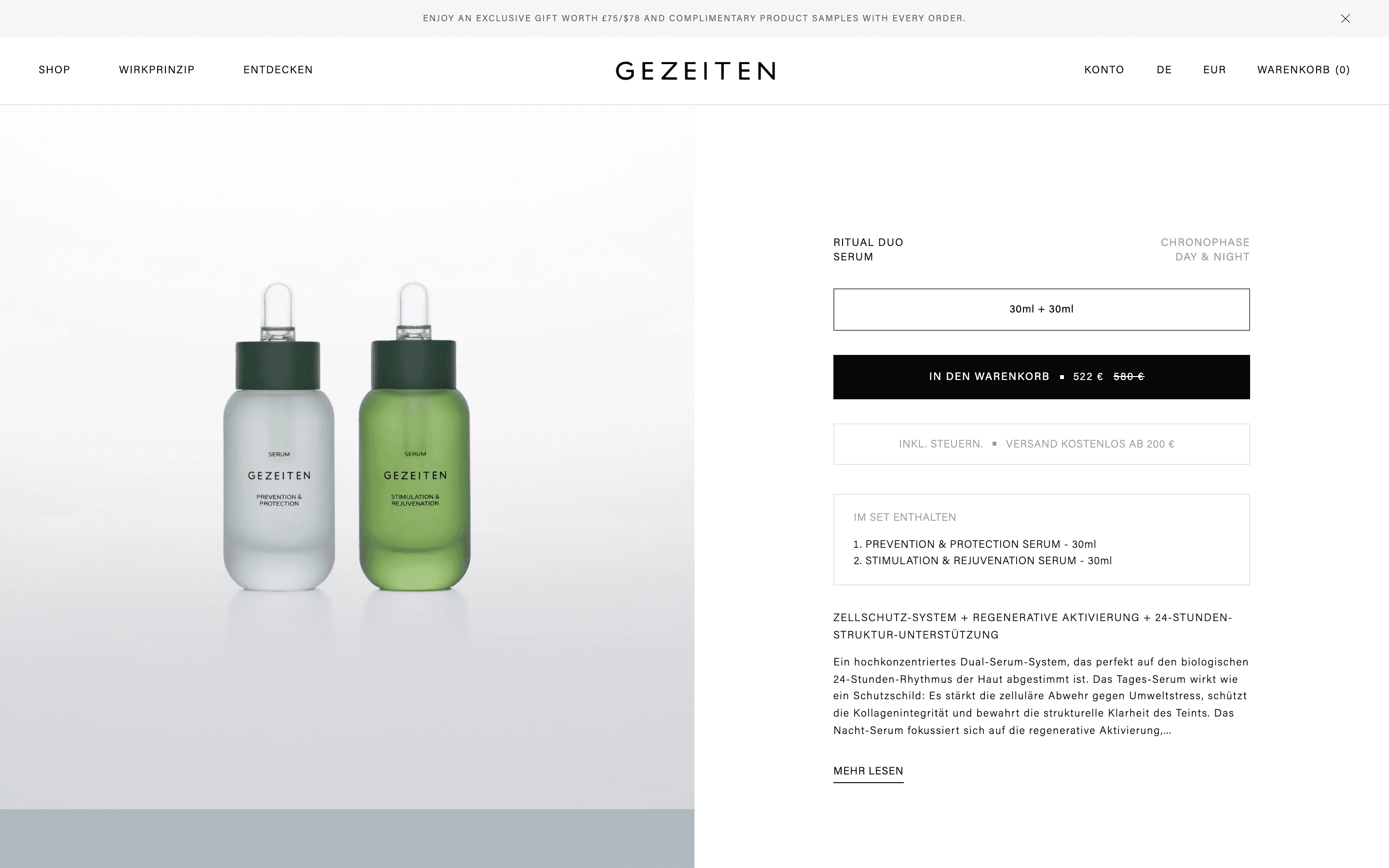
Gezeiten’s previous storefront looked premium but loaded slowly. Full-width product photography, editorial layouts, and brand storytelling sections, all beautiful, but heavy.
“They understood our brand’s essence from day one and translated it into a Shopify experience that feels as refined as our products. The attention to detail, from the clock-driven concept to seamless checkout, truly sets them apart.”
Our approach:
Rebuilt the theme on Dawn with custom components, eliminating unused framework code.
Implemented responsive image pipelines with automatic WebP conversion and srcset.
Replaced three JavaScript-heavy apps with native Liquid/metafield solutions.
Inlined critical CSS and deferred non-essential stylesheets.
Added resource hints for Shopify’s CDN and third-party payment providers.
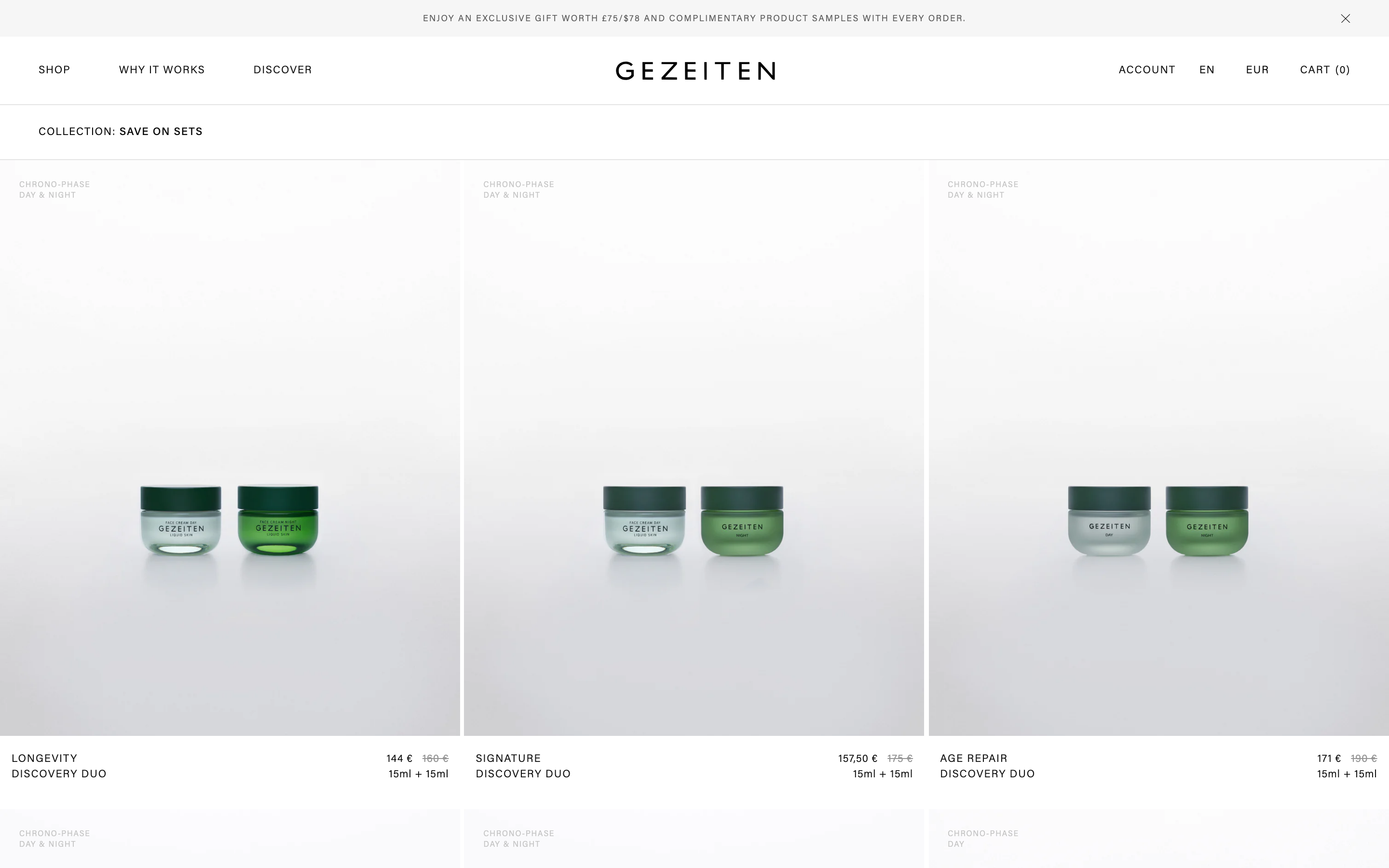
Performance is not about removing features. It is about implementing the same features with engineering discipline. The Gezeiten storefront looks as premium as before, without the performance tax.
Review your Shopify store’s performance
We assess affected page types and purchase flows, isolate causes and prioritize changes using reproducible measurements.
Related Case Studies
Want a performance audit for your store?
Tell us about your project. We will come back with a plan, a timeline, and an estimate.
Get in Touch