














Shopify Migration Services
Moving to Shopify involves more than importing a product catalogue. Orders, customer data, search traffic and connected systems need to work together. We help plan and implement your platform move, from the initial data assessment to checks on the running operation.
Is a platform move the right next step?
Start with the limitations of your current store: expensive changes, operating costs or missing integrations. Together we assess which requirements Shopify can support and where apps, custom development or revised processes are needed. Existing features should not be copied without review. Benefits, ongoing costs and constraints belong in the decision before the migration starts.
Understand data and integrations first
We map products and variants, categories, content, customer and order data, and the systems responsible for them. Each field needs an owner and a defined mapping into Shopify. Customer accounts, reviews, subscriptions and historical orders need particular attention. What can be transferred also depends on export capabilities, data quality and the apps involved.
Account for search visibility and daily operations
The agreed migration scope includes an inventory of important URLs, a redirect plan and checks on metadata, internal links and canonical URLs. Before switching, we test the relevant purchase and operational flows, such as payment, shipping, inventory and returns. Final data reconciliation, responsibilities, acceptance criteria and a rollback plan are defined for the cutover. Careful preparation cannot eliminate the possibility of ranking fluctuations.
Define the deliverables and your team’s role
We agree the deliverables before implementation: for example, a requirements record, data mappings, a redirect plan, a validated staging environment and a cutover checklist. Your team approves product information, content and business processes. After launch, agreed workflows and error logs are checked; ongoing support and further improvements are scoped separately.
What determines effort and budget?
The number and quality of data sources, custom features, integrations, markets and design requirements drive the work. External dependencies include ERP access, payment providers and app changes. To produce a useful estimate we need your current store, a system overview and the requirements that matter most. The resulting proposal sets out scope, assumptions, open questions and responsibilities.
Project examples: platform moves and new markets
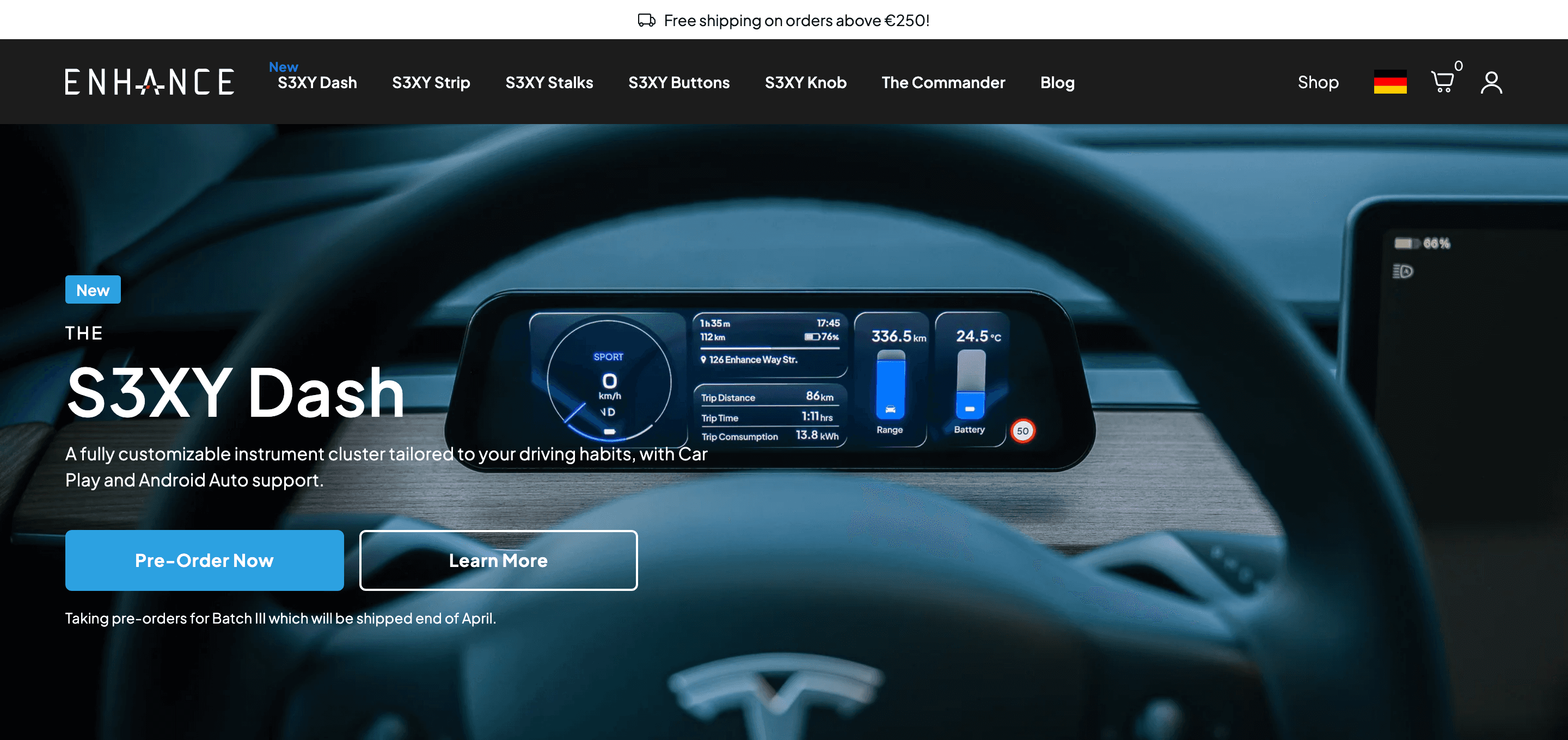
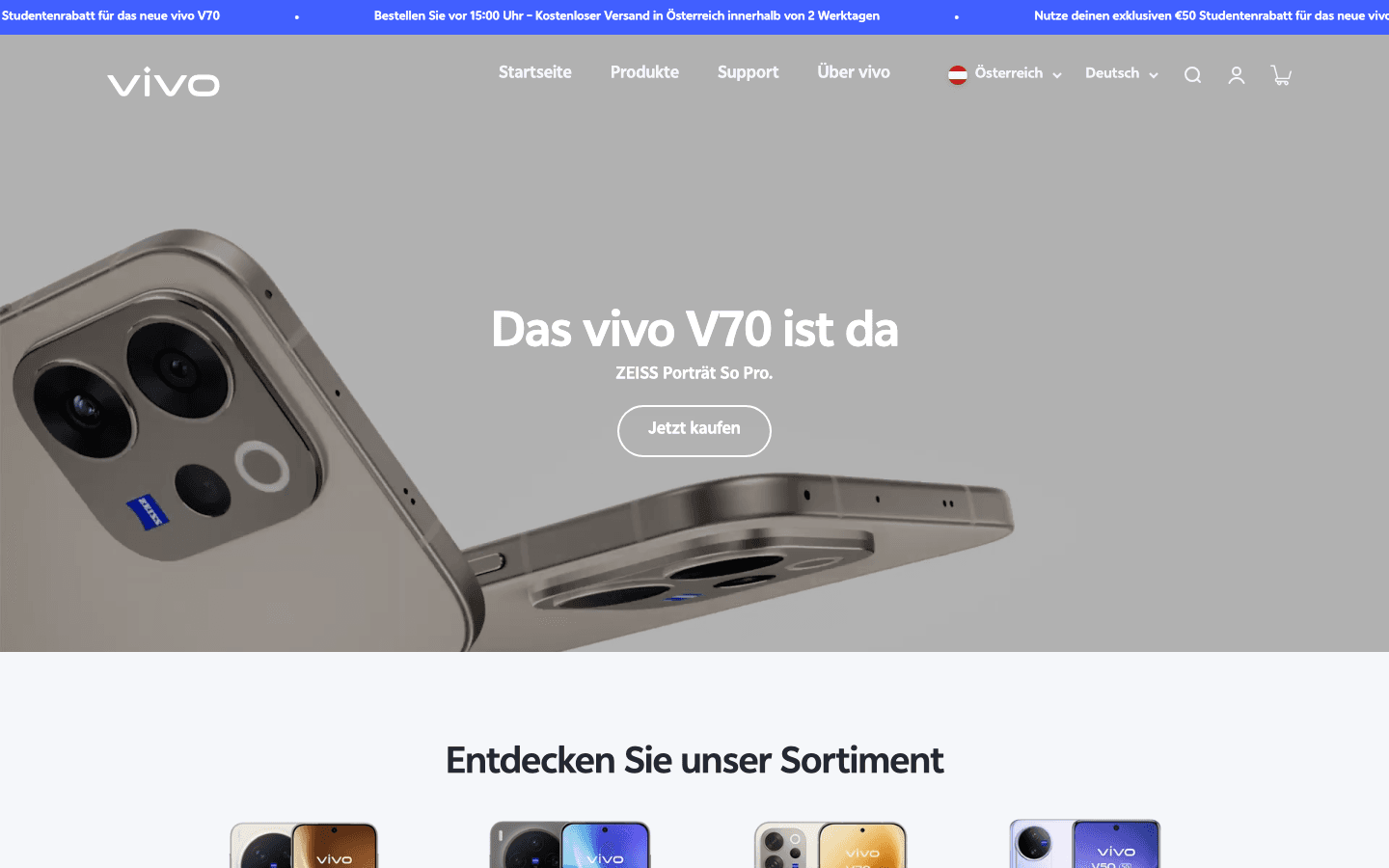
The ENHauto project included a move to Shopify Plus and a SmartERP integration. The vivo project covers new European storefronts with Global-e. These examples start from different situations and do not replace an assessment of your migration scope.
Frequently Asked Questions
Can our existing store keep running during preparation?
Preparation can take place in a separate staging environment. The final switch still requires agreement on writes to the old system, the last data reconciliation and any maintenance window. We define that sequence with your team and system providers before approval.
Do we need Shopify Plus to migrate?
Not automatically. The plan follows your requirements for checkout, B2B, markets and integrations. We assess the functions and ongoing costs you need before recommending a plan.
Will we keep our search rankings?
That cannot be guaranteed. URL mapping, redirect testing and checks on relevant content and metadata reduce avoidable risks. After the switch, we review crawling, indexing and search performance in Search Console where access is available.
Prepare your Shopify migration
Share your current store, connected systems and the reason for moving. We can then discuss the next assessment steps.
Discuss your migration